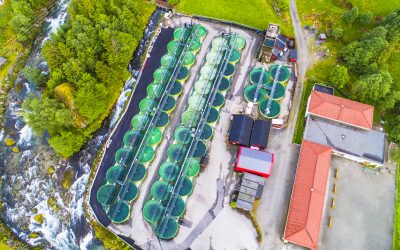
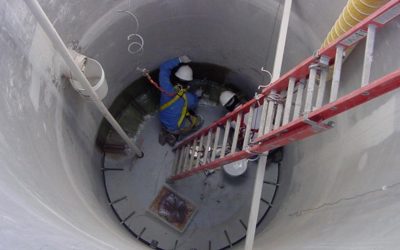
Efficient water storage is a fundamental aspect of modern agriculture since farmers and agricultural businesses need reliable and durable water storage tanks to ensure the consistent availability of water for crops and irrigation systems. Among the various options available, fiberglass tanks stand above the rest as a superior choice for agricultural water storage. With decades of fiberglass manufacturing experience, we are here to share why fiberglass tanks have become the preferred water storage solution over traditional materials like concrete, steel, and plastic.
What Are Fiberglass Tanks?
Fiberglass tanks are durable storage vessels made from fiber-reinforced plastic (FRP) — a composite material known for its high strength-to-weight ratio and exceptional corrosion resistance. These tanks are engineered to perform in demanding environments, withstanding extreme temperatures, chemical exposure, and UV radiation without degrading over time.
Because of their durability and low maintenance, fiberglass tanks have become the preferred water storage tank solutions for agricultural industry, and are used for water storage, irrigation systems, and fertilizer mixing applications, where reliability and long-term performance are critical to daily operations.
The Key Benefits of Fiberglass Tanks for Water Storage
1. Exceptional Durability
One of the primary advantages of fiberglass tanks is their outstanding durability. Unlike traditional materials like concrete and steel, fiberglass is highly resistant to corrosion and rust. Because agricultural water often contains minerals, nutrients, and other substances that can corrode metal tanks over time, this leads to frequent leaks and structural failures. Fiberglass, however, remains uncompromised by such conditions, ensuring a longer lifespan and minimal maintenance.
Additionally, fiberglass tanks are built to withstand the pressures of heavy usage. Fiberglass maintains its integrity even after heavy exposures from sunlight, rain, wind, or temperature fluctuations. This sheer durability makes fiberglass tanks a reliable choice for agricultural businesses that need long-term water storage tank solutions.
2. Lightweight and Easy to Install
Fiberglass tanks are significantly lighter than concrete or steel tanks, which makes transportation and installation much easier. A lightweight tank can be installed without any heavy machinery, and this can reduce labor costs and speed up the installation process. For agricultural operations that need to set up water storage quickly and efficiently, fiberglass tanks offer an obvious advantage above the rest.
This ease of installation also means that crop producers can more easily reposition the tanks if necessary. Whether it’s a small adjustment or a complete relocation, the flexibility of fiberglass tanks adds value to agricultural water storage solutions.
3. Resistant to Chemicals and UV Radiation
In agriculture, water storage tanks may sometimes contain fertilizers, pesticides, or other chemicals mixed with the water. Fiberglass is inherently resistant to chemical reactions, which means that the stored water remains uncontaminated and the tank itself won’t deteriorate over time from chemical exposure.
Additionally, fiberglass is highly resistant to UV radiation. Long-lasting exposure to sunlight can cause some tank materials to weaken or degrade over time, but fiberglass maintains its strength, which makes it perfect for outdoor use. This chemical and UV resistance ensures that fiberglass tanks have been proven to perform consistently for years, regardless of the environmental conditions.
Fiberglass Tanks vs. Traditional Materials
1. Fiberglass vs. Concrete Tanks
Traditionally speaking, concrete has been a common material for agricultural water storage tanks, but it definitely comes with notable drawbacks. For one, concrete tanks are heavy and difficult to install, and they’re susceptible to cracking due to temperature changes and ground movement. Even small cracks can lead to leaks, which can compromise the water supply. Additionally, concrete tanks may require periodic sealing over the years to maintain their integrity.
Fiberglass tanks, on the other hand, are lightweight, crack-resistant, and do not require frequent maintenance. They are also not affected by shifts in temperature or slight ground movements, making them a safer and more reliable choice for water storage tank solutions overall.
2. Fiberglass vs. Steel Tanks
Steel tanks are another common option for water storage, but they are more vulnerable to rust and corrosion, especially in humid or saline environments. Even with protective coatings, steel tanks can develop weak points over time. On the other hand, fiberglass does not corrode, even when exposed to water and chemicals for extended periods.
Fiberglass tanks are also quieter when filling or emptying compared to steel, which can be noisy as water impacts the metal surface. This can be a subtle yet important consideration in environments where minimizing noise is a priority, such as in facilities near residential areas.
3. Fiberglass vs. Plastic Tanks
It’s true that plastic tanks are often chosen for their affordability and versatility, but they still lack the strength and durability of fiberglass. Plastic is prone to deformation when exposed to extreme temperatures, and it is not as resistant to UV radiation. In contrast to the strong structural integrity of fiberglass, plastic tanks can be easily punctured or damaged by heavy impacts.
For agricultural operations that require a water storage tank solution capable of withstanding challenging conditions without compromising on performance, fiberglass is a far more reliable choice than plastic.
Environmental Benefits of Fiberglass Tanks
As sustainability becomes a growing concern in every industry including agriculture, fiberglass tanks offer several environmental advantages including:
Long Lifespan Reduced Waste
The extended lifespan of fiberglass tanks means fewer replacements and less waste over time. Unlike concrete or steel tanks that may need to be replaced due to deterioration, fiberglass tanks can last for decades without significant wear, reducing the environmental impact associated with manufacturing and disposal.
Energy Efficiency
Fiberglass tanks require less energy to manufacture than heavy concrete or steel tanks. Their lightweight nature also reduces fuel consumption during transportation, contributing to a smaller carbon footprint. Choosing fiberglass for agricultural water storage is not only a smart business decision, but is an environmentally conscious one.
Customizability and Versatility
Fiberglass tanks can be customized to meet the specific needs of different agricultural applications. Whether it’s a tank designed for rainwater harvesting, irrigation, companion animal watering, or storing chemical mixes, fiberglass tanks offer versatility that other materials simply cannot match.
Agricultural producers can choose from a range of sizes, shapes, and specifications to find the perfect water storage tank solution for their operations. This flexibility allows agricultural businesses to optimize their water management strategies and make sure they have the right equipment to meet their unique needs.
Low Maintenance Requirements
Fiberglass tanks require minimal maintenance compared to other materials. With their natural resistance to corrosion, chemicals, and UV radiation, there is no need for frequent repairs, coatings, or inspections. In fact, a fiberglass tank can be installed and left to operate without significant upkeep, which often saves a great deal of time and money in the long run.
This low-maintenance perk is particularly beneficial for busy agricultural businesses that prefer to focus on daily operations rather than ongoing tank maintenance.
Cost-Effectiveness Over Time
While fiberglass tanks may have a higher upfront cost compared to some alternatives, their durability, low maintenance needs, and long lifespan make them an especially cost-effective choice in the long run. The total cost of ownership for a fiberglass tank is often lower than that of concrete, steel, or plastic tanks, which may also require frequent repairs or replacements.
For agricultural businesses seeking a reliable, long-term water storage tank solution, fiberglass offers excellent value for the money.
Why Choose DT Fiberglass for Agricultural Water Storage Tanks?
When it comes to fiberglass tanks for agricultural water storage, DT Fiberglass is a leader in quality and expertise. Located in Sacramento, DT Fiberglass has a reputation for delivering top-tier fiberglass products tailored to the needs of the agricultural community. Their fiberglass tanks are built with precision and attention to detail, ensuring that every customer receives a durable and efficient solution.
Choosing DT Fiberglass means working with a team that understands the unique demands of agricultural water management. They offer a range of customizable options, so that farmers and agricultural businesses get the perfect tank for their specific needs. From consultation to installation, DT Fiberglass provides unparalleled service and support.
If you’re ready to invest in high-quality fiberglass tanks for your agricultural company, contact the experts at DT Fiberglass today by calling (916) 383-9012 or emailing Info@DTFiberglass.com. We look forward to providing you with expert guidance on the best water storage tank solutions to meet your needs.